When driving on Irish roads during long winter nights, misty mornings, or heavy rains along the Wild Atlantic Way, clarity and visibility are not just matters of convenience—they are vital safety requirements. Over time, almost every car driver notices that clear factory headlights begin to turn cloudy, hazy, or yellowish. Furthermore, internal moisture build-up can quickly escalate into serious lighting failures.
In Ireland, foggy or hazy headlights are one of the most frequent reasons vehicles fail their National Car Test (NCT). Drivers often wonder whether they must spend €500 to €1,500 on full headlight replacements or if professional restoration offers a long-lasting, budget-friendly alternative.
In this comprehensive guide, we will unpack everything you need to know about automotive lighting maintenance, why headlight lenses degrade, how moisture damages modern LED and DRL components, and how professional solutions from headlight restoration specialists in Limerick can help your car pass the NCT seamlessly while saving you significant money.
Why Do Car Headlights Become Cloudy and Yellow Over Time?

Modern vehicle headlights are no longer manufactured from heavy glass as they were decades ago. Instead, automotive manufacturers use thick polycarbonate plastic. Polycarbonate is lightweight, highly durable, and impact-resistant against gravel or road debris. However, polycarbonate plastic has a major vulnerability: extreme sensitivity to Ultraviolet (UV) radiation and atmospheric elements.
To shield headlights from rapid degradation, factory units receive a microscopic protective clear coat. Over several years of exposure to Irish weather—fluctuating temperatures, rain, road salt, UV radiation, and harsh car wash chemicals—this protective coating gradually breaks down.
1. UV Oxidation
As sunlight breaks down the acrylic topcoat, microscopic cracks form within the outer layer of the plastic. This causes light passing through the lens to scatter unevenly, resulting in a dull, yellowish, or chalky white surface appearance.
2. Road Salt, Grit, and Environmental Contaminants
Driving on Irish roads exposes headlights to dirt, tar, and winter de-icing salts. Small stones kicked up by surrounding vehicles create micro-abrasions on the polycarbonate lens, accelerating oxidation and trapping grime inside microscopic pits.
3. Chemical Pitting from Harsh Cleaners
Using aggressive household cleaning agents or automated drive-through car washes with strong acidic solvents strips away protective sealants much faster than natural weathering alone.
The Direct Impact of Cloudy Headlights on Road Safety and NCT Tests
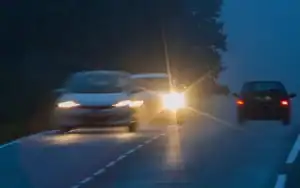
Driving with oxidized headlights drastically reduces light output—sometimes by as much as 70% to 80%. At nighttime, a reduced beam range severely shortens your reaction time when encountering hazards, pedestrians, or sudden bends on unlit rural roads across Ireland.
⚠️ Why NCT Inspectors Reject Oxidized Lenses:
Under Irish National Car Test (NCT) regulations, inspectors rigorously evaluate headlight beam alignment, light intensity, and visual lens condition. If the plastic lens is excessively hazy, oxidized, or scratched, the light emitted by the internal bulb scatters into an improper beam pattern, causing glare for oncoming drivers while failing to illuminate the road ahead adequately.
If your vehicle receives a refusal or major fail result due to defective light focus or insufficient illumination, you will need to rectify the problem and undergo an NCT re-test before your vehicle receives a valid certificate. Fortunately, undergoing specialized headlight restoration services ensures your light beam returns to precise OEM specification without requiring brand-new headlight units.
Understanding Headlight Condensation, Water Ingress, and Module Failure
Cloudiness on the exterior of the lens is only half the battle. Another extremely widespread issue faced by Irish motorists is internal condensation and trapped water inside the headlight housing.
While a slight temporary fogging can occur during rapid temperature shifts, droplets of persistent standing water inside the lens indicate a breached seal or damaged breathers. Ignoring internal water damage leads directly to severe electrical and mechanical failures:
- Corrosion of Wiring and Connectors: Water accumulation oxidizes copper contacts, creating short circuits and intermittent lighting failures.
- Failure of Control Modules & Ballasts: Modern xenon, HID, and LED headlights utilize delicate electronic control units (ECUs) mounted beneath the headlight shell. Trapped water settles directly into these low-lying electronics, destroying them completely.
- Reflector Degradation: Moisture corrodes the delicate chrome inner reflector bowl, permanently ruining light output even if you install a fresh bulb.
DIY Kits vs. Professional Headlight Restoration: What Drivers Must Know
A quick search online or at local automotive parts stores reveals dozens of inexpensive DIY headlight restoration kits containing sandpaper discs, polishing creams, and wipe-on clear coatings. While these products may offer a temporary quick fix for a few weeks, they almost always fail to deliver long-lasting durability for several reasons:
1. Inadequate Coating Protection
DIY kits usually include thin, wipe-on chemical coats that wash off after a few rainy days or car washes. Without a high-durability, UV-cured clear coat or ceramic protection layer, the exposed bare polycarbonate oxidizes twice as fast as before.
2. Uneven Hand Sanding Risks
Sanding headlight lenses by hand without specialized rotary equipment often creates deep micro-scratches, uneven optical surfaces, and dips in the plastic. This warps the beam pattern and leads to guaranteed NCT beam pattern failure.
3. Lack of Internal Repairs
DIY kits can only touch the outside surface. They cannot address internal lens hazing, broken mounting tabs, water leaks, damaged Daytime Running Light (DRL) strips, or burned-out LED driver chips on the internal printed circuit board (PCB).
The Professional Headlight Restoration Process at HeadlightPro.ie
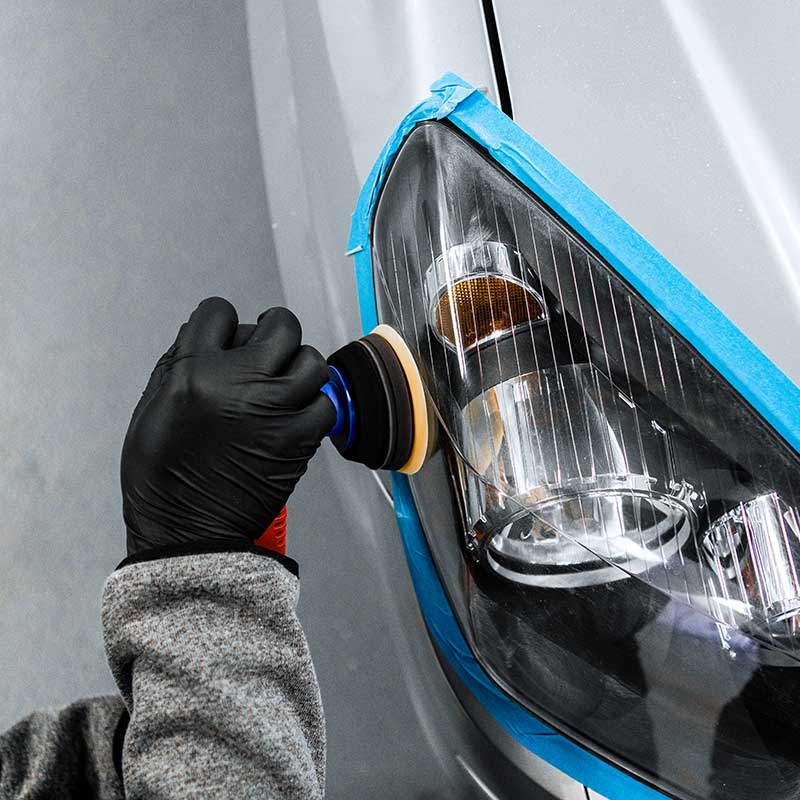
At HeadlightPro.ie, located in Limerick, headlight restoration is approached with precision engineering and professional-grade automotive refinishing techniques. Here is how a true professional restoration is executed:
- Comprehensive Inspection & Masking: The car bodywork and paint surrounding the lighting assembly are thoroughly taped off with high-tack protective masking film to prevent any physical contact with body paint.
- Multi-Stage Wet Sanding: Technicians utilize pneumatic dual-action polishers with progressive grit sandpaper levels (ranging from P800 up to P3000 grit) to systematically strip away all dead, oxidized plastic and severe yellowing.
- Optical Clarification & Polishing: Specialized cutting compounds and high-grade foam pads refine the optical clarity, removing all micro-fine sanding marks until the plastic becomes crystal clear.
- UV-Curable Protective Coating / Ceramic Sealant: Crucially, a long-lasting, hard-wearing protective UV-resistant coating is applied. This coat fuses directly with the polycarbonate, preventing future yellowing, hazing, and weather degradation for years.
- Beam Pattern Verification: The restored headlight undergo beam alignment and intensity testing to confirm full compliance with official NCT standards.
Modern LED and DRL Repairs vs. Upgrades: Exploring Your Options
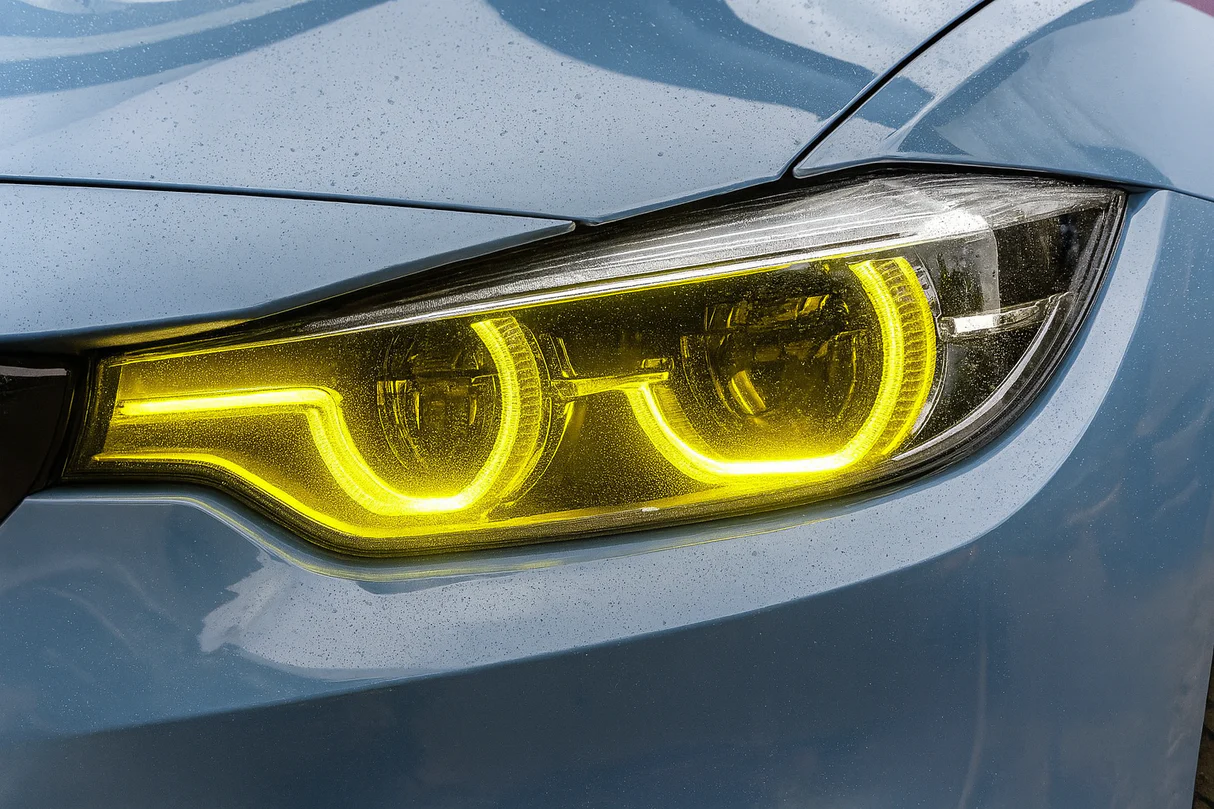
Many modern cars come equipped with sophisticated full-LED headlight assemblies or sleek Daytime Running Light (DRL) signatures. When a DRL tube dims, changes color to a dirty yellow, or flickers out completely, main dealerships routinely inform owners that the headlight is an unserviceable sealed unit—quoting anywhere from €800 to over €2,500 per unit for complete replacement.
If you are evaluating bulb types or considering upgrading older standard halogen units to modern high-efficiency LEDs, reading external technical breakdowns like this detailed LED vs Halogen headlight comparison blog post will give you a deeper understanding of light output differences, energy efficiency, and night-driving performance.
Furthermore, if you want to explore more regional lighting maintenance guides and local driving safety tips around Midwest Ireland, you can check out the comprehensive resource articles available on the Limerick Headlight Repair Blog section.
However, when modern factory LED or DRL units experience electronic failures, total replacement is rarely necessary. Common LED and DRL issues that can be fixed professionally at HeadlightPro.ie include:
- Overheated or Burned LED Chipboards: Replacing burned chip-scale package (CSP) LEDs on internal printed circuit boards with OEM-grade components.
- Yellowed Acrylic Light Guides: Cleaning or replacing damaged internal acrylic DRL light pipes that have scorched due to thermal build-up.
- Module Diagnostics and Coding: Resetting headlight control unit errors, clearing fault codes, and coding replacement diagnostic modules.
- Lens Replacement: If a headlight lens is physically cracked, technicians separate the housing seal, install a brand-new outer lens, and reseal the assembly with automotive butyl rubber sealant.
Key Benefits of Choosing Professional Headlight Restoration
| Feature / Aspect | Full Headlight Replacement | Professional Restoration (HeadlightPro.ie) |
| Average Cost | €500 – €2,500+ per side | Starts from ~€150 per vehicle |
| Turnaround Time | Days / Weeks (Waiting on parts) | 45 to 60 Minutes (While you wait) |
| OEM Fit & Finish | Risk of poor aftermarket fitment | Retains original factory headlight housing |
| NCT Pass Assurance | Yes (If aligned properly) | Yes (Restores original beam pattern & clarity) |
| Environmental Impact | Adds plastic waste to landfills | 100% Eco-friendly repair option |
How to Maintain Your Headlights After Restoration
Once your headlights have been restored to like-new clarity, following a few simple maintenance habits will ensure they remain crystal clear for many years to come:
- Wash Regularly with Neutral Shampoos: Avoid aggressive industrial degreasers or harsh acid-based wheel cleaners on front headlights. Wash with pH-neutral car wash soap and microfibre mitts.
- Apply Liquid Wax or Ceramic Spray: Apply a quick coat of automotive wax or spray sealant to your headlight lenses every few months to add an extra hydrophobic barrier against water and UV rays.
- Never Dry-Wipe Dirty Headlights: Wiping dry dust or road grit off dry plastic lenses acts like sandpaper, scratching the protective UV topcoat. Always lubricate with water or detailer spray before wiping.
- Inspect Rubber Caps and Seals: Make sure rear bulb access covers and moisture rubber caps are firmly seated after changing bulbs to prevent unwanted humidity from creeping into the housing.
Conclusion: Restore Safety, Style, and Value Today
Don’t wait for an NCT failure sheet or dangerous poor night visibility to take action. Restoring your oxidized, cloudy, or leaky headlights is one of the most cost-effective investments you can make in your vehicle’s safety, aesthetic appearance, and resale value.
Whether you need quick oxidation removal before an upcoming NCT test, complete water damage repair, or complex LED/DRL electronic diagnostics, professional lighting specialists offer reliable, long-lasting solutions tailored specifically to Irish driving conditions.
To book your vehicle for expert headlight restoration or to get an immediate quote, contact the team at HeadlightPro.ie today. Restoring crystal-clear visibility is fast, affordable, and fully guaranteed to keep you driving safely on Irish roads.